Key takeaways
Miscommunication during shift handovers, roster changes, and busy service periods costs hospitality businesses time, money, and staff morale.
A centralised communication platform replaces scattered WhatsApp groups and verbal-only updates with a single professional channel your whole team can rely on.
Two-way feedback tools like Shift Pulse help you spot morale dips before they turn into resignations.
Clear communication protocols, from pre-shift huddles to written handover checklists, reduce errors and keep front-of-house and back-of-house aligned.
Table of contents
You've just walked into the kitchen at 6 a.m. to find that nobody locked up properly last night, the closing checklist was never completed, and the morning prep team has no idea what was 86'd on yesterday's menu. Sound familiar? In hospitality, when communication breaks down, the consequences land on the plate, at the table, and on your bottom line.
And the stakes keep rising. According to Deputy's Big Shift report, hospitality activity in Australia increased by 28% by late 2025, meaning more shifts, more staff, and more opportunities for messages to get lost. The good news is that you can build systems and habits that keep your team connected, even during the busiest Saturday night service.
This guide walks you through the most common communication breakdowns in hospitality venues, practical strategies to fix them, and tools that help you keep your team aligned across every shift.
Why communication breaks down in hospitality teams
Hospitality runs on speed, coordination, and timing. A missed allergen note, an unclear roster change, or a forgotten handover detail can spiral into a customer complaint, a safety issue, or a staff member walking off the floor mid-shift.
The challenge is structural. Your team rarely sits at a desk, they work across split shifts, and the person who closes tonight may never overlap with the person who opens tomorrow. Individuals hold the information rather than passing it through the team.
Deputy's Shift Pulse report, based on over 1,062,159 post-shift survey responses, found that hospitality leads all Australian industries on positive sentiment at 82.91%. Workers in cafes, fast food outlets, and bars report strong team connection and social energy. But the same data reveals that worker morale weakens when staffing is insufficient and rostering is unstable. In other words, your team loves the work, but poor communication around rosters and resourcing can undo that goodwill fast.
Consider a scenario most managers recognise: you send a roster update via a group text at 10 p.m. Half your team sees it, half don't. The next morning, you're short-staffed because two people didn't know their shift changed. That single communication failure triggers a chain reaction of stress, overtime costs, and frustrated colleagues picking up the slack.
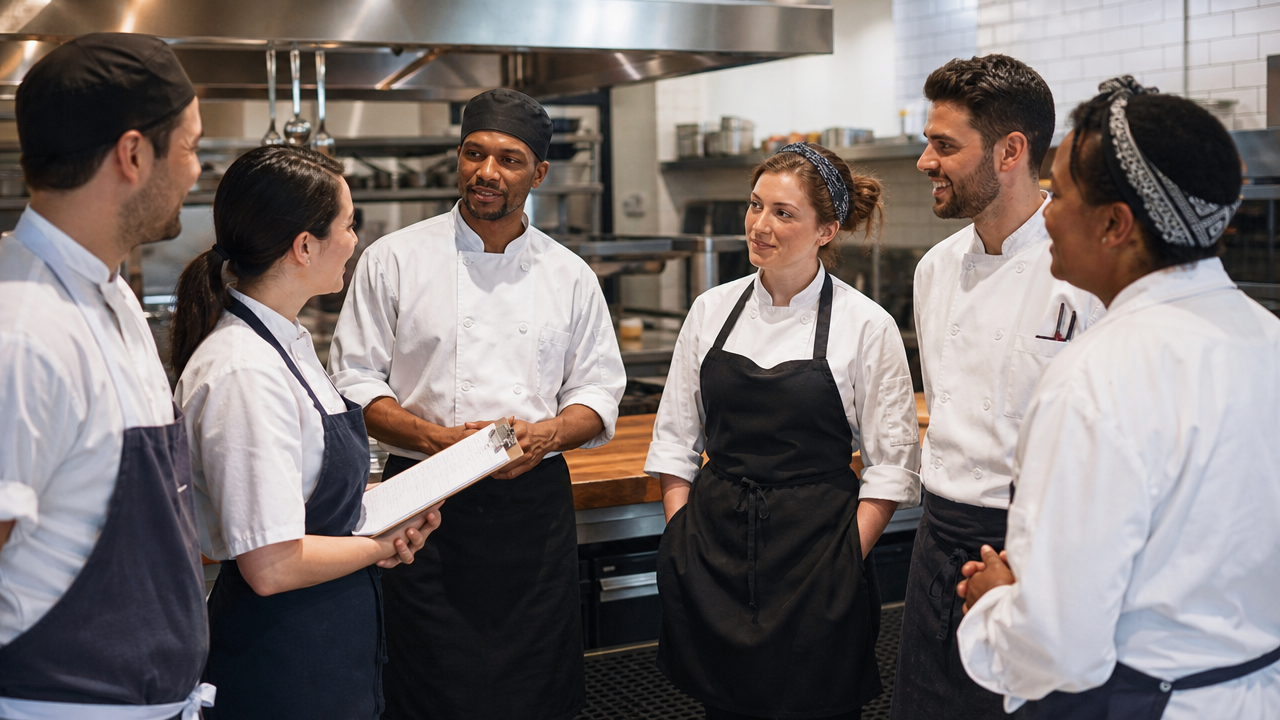
Common communication barriers hospitality managers face
Bridging generational communication gaps in your team
Your kitchen might have a 55-year-old head chef working alongside a 19-year-old apprentice. Their communication preferences are likely worlds apart. According to Deputy's Big Shift report, Gen Z now accounts for 64% of hospitality shift workers in Australia, up from 61% in 2024.
Gen Z staff tend to prefer quick digital messages, while experienced team members may rely on face-to-face conversations or phone calls. Neither approach is wrong, but when you don't have a shared platform, critical information falls through the gaps. A roster update posted on a noticeboard might reach your veteran staff but miss the 20-year-old who checks their phone between services.
The key is to meet everyone where they are. Choose a single communication channel that works for all age groups, and make it the one source of truth for shift-related information.
Managing communication across busy service periods
Friday night service isn't the time for a long team meeting. When tickets are flying, communication needs to be fast, clear, and impossible to misinterpret. But most hospitality communication breakdowns happen precisely when the pressure is highest.
During peak periods, verbal instructions get drowned out by kitchen noise, misheard across a busy dining room, or forgotten in the chaos. You need systems that allow quick, clear communication without pulling people off the floor. Think short pre-service briefings, visible run sheets, and a digital channel for urgent updates that staff can check during a quiet moment.
Cultural and language diversity on the floor
Australian hospitality teams are among the most culturally diverse workforces in the country. Your kitchen brigade might include staff from five different countries, each bringing different communication norms around directness, feedback, and authority.
This diversity is a strength, but it requires intentional communication design. Keep written instructions simple and visual where possible. Pair new team members with a buddy who speaks their language during their first few shifts. And build a culture where asking for clarification is encouraged, not frowned upon.
Overcoming the disconnect between front-of-house and back-of-house
Front-of-house and back-of-house teams often operate in silos. Waitstaff promise modifications the kitchen hasn't been briefed on. Kitchen staff change the specials without telling the floor. The result is confused customers, wasted food, and friction between teams.
Breaking down this divide means creating communication touchpoints that bridge both sides. A shared digital channel, a physical handover board, or a quick cross-team briefing before service can keep everyone on the same page. The goal is to make sure no team member ever has to say, "Nobody told me."
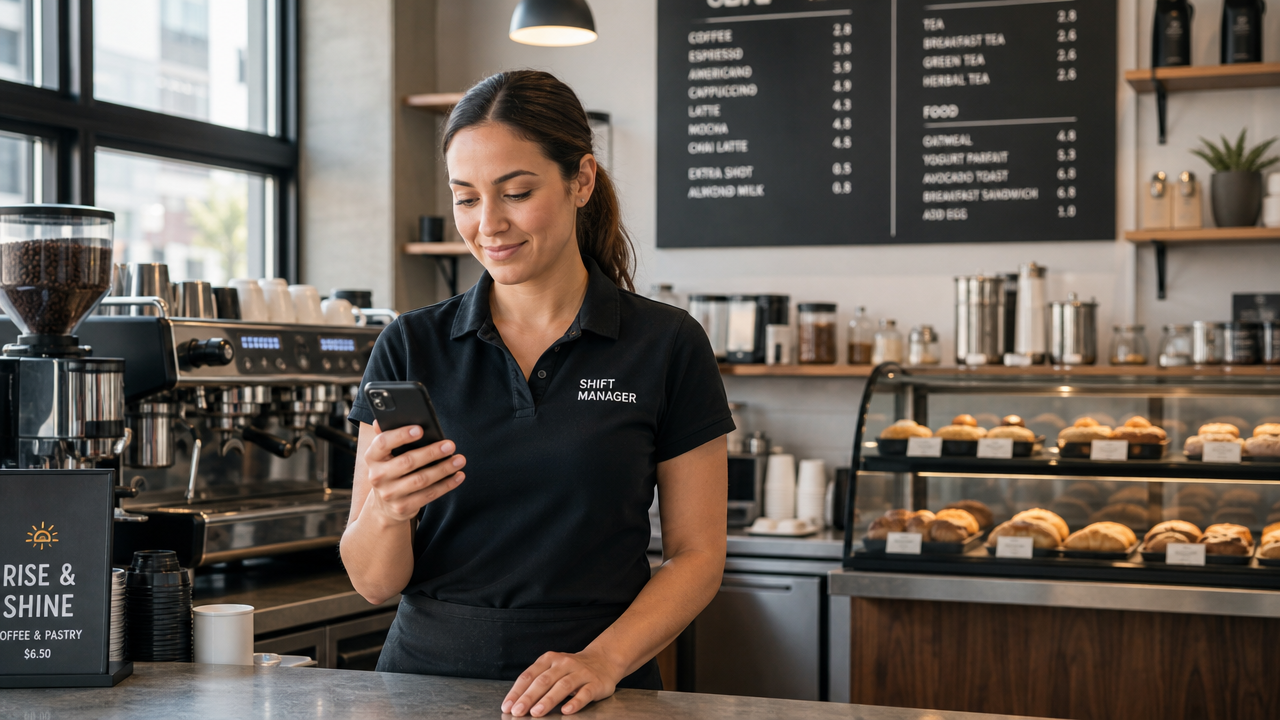
How to set up reliable communication channels for your venue
Choosing the right tools for shift-based teams
Not every communication tool works for hospitality. Your team isn't sitting at laptops. They're on their feet, wearing gloves, and checking their phone in a 30-second window between clearing tables. Whatever tool you choose needs to be mobile-first, simple, and built for teams that don't have time to scroll through long email threads.
Look for a platform that lets you:
Send announcements to specific locations, roles, or the whole team
Message individuals or groups directly
Share roster updates and policy changes in one place
Keep a searchable record of what was communicated and when
Deputy's Communications features, including News Feed and team messaging, sit inside the same platform where your team already checks rosters and clocks in. That means staff don't need to download another app or check another channel. Information flows through a tool they're already using every shift.
Creating clear communication protocols for every shift
Tools only work if your team knows how and when to use them. Establish clear protocols that cover:
Pre-shift briefings: What information gets shared before every service (menu changes, VIP bookings, staffing notes).
Handover checklists: A written or digital checklist that the closing team completes for the opening team. Include stock levels, outstanding tasks, equipment issues, and anything unusual that happened during the shift.
Urgent updates: Define what counts as urgent (allergen alerts, safety issues, last-minute roster changes) and which channel to use for those messages.
Non-urgent updates: Policy changes, training schedules, and social announcements that can go through a news feed or noticeboard.
Write these protocols down, include them in your onboarding materials, and revisit them every quarter. Protocols that exist only in your head aren't protocols at all.
Using a centralised platform instead of personal messaging apps
If your team communication currently runs through WhatsApp groups, personal texts, or a mix of both, you've probably experienced the downsides: important messages buried under memes, staff who leave the group and miss updates, and no clear record of who said what.
Personal messaging apps blur the line between work and personal life. Staff who've clocked off don't want work messages popping up alongside their personal chats, and you can't control who has access to the group when someone leaves the business.
Moving to a purpose-built platform like Deputy gives you professional, location-based communication channels. You control who sees what, messages stay with the business (not on a former employee's personal phone), and your team gets a clear boundary between work communication and personal life.