AI Shift Planning for Hospitality: Beat Staffing Shortages

by Deputy Team, 9 minutes read
HOME blogstaffing shortages ai shift planning can help

Key takeaways:

  • AI-assisted shift planning can help hospitality and care operators fill gaps faster, control labor costs, and support staff retention in a tightening labor market

  • US hospitality has grown since 2022, but cooling hiring, rising labor costs, and volatile demand make retention the real squeeze

  • Tools like Deputy can provide draft schedules and scheduling suggestions for manager review, and give staff more control over when they work

  • Individual Deputy customers have reported results including saved admin hours and reduced reliance on costly agency staff

How AI shift planning helps hospitality beat staffing shortages

Have you ever felt like you're constantly putting out fires when it comes to staffing? Maybe you've spent your Sunday evening wrestling with spreadsheets, juggling shift requests, and struggling to fill last-minute gaps. If so, you're not alone.

The US hospitality and care sectors are facing a staffing squeeze. It's not just about finding people to fill vacancies anymore. The real challenge is keeping your best staff, managing rising wages, and matching the right people to unpredictable demand. That's where AI-assisted shift planning comes in.

AI shift planning for hospitality isn't about replacing managers. It's about giving you tools that help anticipate busy periods, generate draft schedules faster, and let your team swap shifts without endless back-and-forth. Flexible scheduling can be one factor in supporting employee experience and retention.

According to Deputy's Big Shift Report 2026, hospitality had the largest rise in positive worker sentiment of any shift sector, with 7% more workers saying they feel "amazing" about their work. Greater schedule flexibility can help support the employee experience.

For shift workers, flexibility isn't remote work or choosing which hours to log in. It means having more control over when they work, a stable and predictable schedule, and the ability to swap shifts quickly when life happens. AI-assisted scheduling tools can help you offer that flexibility without adding more admin to your plate.

The real staffing squeeze in US hospitality and care

If you've seen headlines about a "staffing crisis," you might expect vacancy numbers to be at record highs. But the picture has changed since 2022. US hospitality has actually grown, not shrunk. The real pressure now comes from retention, rising labor costs, and a younger, more mobile workforce.

Restaurant manager and young waiter reviewing a staff schedule on a tablet behind the counter of a busy cafe-bar

Hospitality: cooling hiring, tougher retention

The US hospitality sector has grown 12% in total workers since 2022, with bars up 13% and sit-down restaurants up 8%, according to Deputy's Big Shift Report 2026. But hiring has cooled into a "low-fire, low-hire" market, with vacancy growth slowing to below 1% by late 2025. Nationally, job openings in accommodation and food services have cooled as well.

The challenge now is keeping skilled staff rather than simply finding bodies to fill shifts. If your team feels overworked or undervalued, they'll move to a competitor or leave the industry entirely.

Care: a long-term worker shortage

Care is a different story. Demand is climbing as the population ages, and supply can't keep up. PHI estimates that 9.7 million direct care jobs will need to be filled by 2034.

Care providers also face unique pressures, including regulatory requirements and the emotional demands of the work. That makes continuity and staff wellbeing just as important as coverage.

Rising costs

Labor costs keep climbing. The $7.25 federal minimum wage hasn't changed in years, but many states and cities set higher rates, so payroll pressure keeps building. For managers, this means every hour of labor needs to count.

Overstaffing eats into profits. Understaffing burns out your team and frustrates customers. Getting the balance right takes better data and smarter tools.

A younger workforce

According to Deputy's Big Shift Report 2026, Gen Z now makes up about 85% of US hospitality shift workers. This younger workforce has different expectations. They want clear communication, fair treatment, and schedules that fit around their lives.

If you're struggling to recruit in a low-hire market, retention becomes even more important. Meeting those expectations can help you hold on to good people.

What is AI shift planning?

AI shift planning uses algorithms to help managers build schedules faster and smarter. It analyzes historical data, staff availability, and demand patterns to generate draft schedules for manager review.

The key word is "draft." AI-assisted tools don't make final decisions. They surface suggestions and potential issues for manager review, and help you make more informed choices. You stay in control. The technology handles the repetitive calculations so you can focus on the people.

AI-generated outputs are assistive and should be reviewed by managers. Feature availability and functionality may vary by product, region, and configuration.

What AI-assisted scheduling software does behind the scenes

Helps anticipate demand

Deputy's demand forecasting analyzes your historical sales data, booking patterns, and even local events to help anticipate how busy you'll be. It generates staffing suggestions for each shift, which managers can review and adjust.

This helps you avoid those nightmare Saturdays where you've scheduled three people and need six, or the quiet Tuesdays where you're paying staff to stand around.

Builds draft schedules faster

Deputy's scheduling tools can use employee skills, availability, and your configured settings to generate a draft schedule for manager review. Instead of starting from scratch every week, you start with a foundation that already considers who can work, who wants to work, and where you need coverage.

You review and refine. The software handles the heavy lifting of juggling constraints.

Adapts to real-time changes

When someone calls in sick at 6 a.m., you need a solution fast. Deputy's AI-assisted tools can provide scheduling suggestions for manager review, based on available data and configured settings. For example, when a shift needs cover, managers can notify available team members quickly, so you're not making frantic phone calls while customers wait.

Empowers staff with self-service

Give your team more control without adding more work for you. Deputy's shift swapping lets staff arrange cover among themselves, with manager approval. Leave management tools let team members request time off from their phone, and everyone can view their schedule anytime.

When staff can see their schedule, swap shifts easily, and request time off on their own, they feel more respected. That can help support retention.
See how Deputy takes the chaos out of hospitality scheduling.

Cutting labor costs and supporting compliance workflows

Every dollar spent on labor needs to deliver value. AI-assisted scheduling helps you see labor costs as a percentage of sales in real time, so you can make informed decisions about staffing levels.

Working time rules vary by location. Employers may be subject to federal, state, and local requirements relating to working time, overtime, recordkeeping, and break entitlements. Businesses should review the requirements applicable to their jurisdiction.

In cities with Fair Workweek or predictive scheduling laws, timing and notice matter even more. Deputy provides configurable rules and alerts designed to support Fair Workweek and other scheduling compliance workflows. Managers remain responsible for reviewing applicable requirements and their schedules.

Compliance disclaimer: Deputy is designed to support compliance workflows but does not provide legal advice or guarantee compliance. The employer remains responsible for meeting applicable federal, state, and local requirements.

Features like configurable rules and alerts help you keep track of requirements, but the decisions remain yours. Think of it as having a system that surfaces potential concerns for manager review before they become larger operational issues.

Real results: US hospitality and care teams

AI-assisted shift planning isn't theoretical. It's already making a difference for real teams across the US. Individual Deputy customers have reported results including:

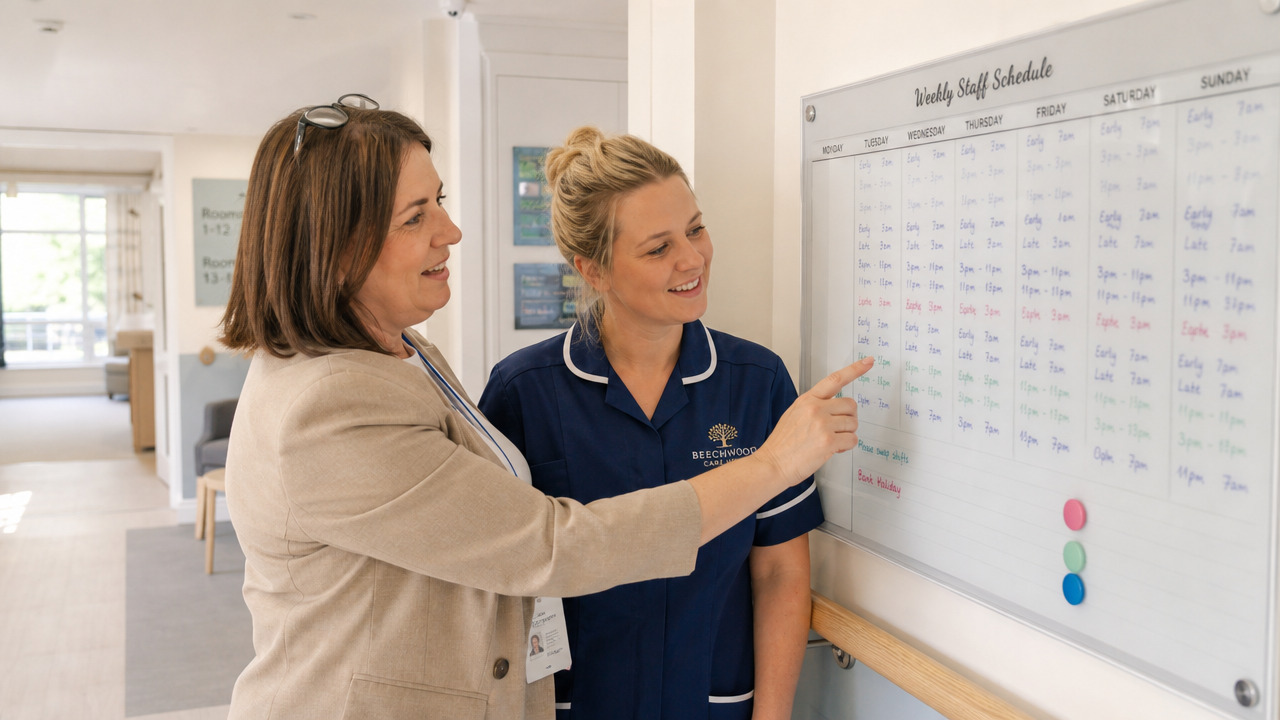
Care home manager and carer reviewing a weekly shift schedule on a wall planner in a bright care home
  • Juice Press: saved around $200,000 a year in front-of-house labor costs and about 25 hours a week of admin time, and rolled out Deputy in a week

  • Gumption Coffee: cut 15-20% of unnecessary extra hours through better labor-cost visibility

  • Partners Coffee: reported improved staff retention after managing labor costs and schedules more closely

  • Child Care Staffing: saved about $100,000 in salary costs and scaled from 18 to 100 substitute staff

  • Proper Cloth: reported saving thousands of dollars a week and uses Deputy break tracking to support Fair Workweek compliance workflows

These are individual customer experiences and aren't a guarantee of similar results.

It's invaluable how much stress Deputy has taken off the shoulders of anyone in charge of scheduling, recruiting, and staff development. Now, instead of dreading that, I look forward to it.

Hazel de los Reyes, Co-founder, Gumption Coffee

Can ChatGPT build a schedule? And other AI scheduling questions

You might wonder whether a general AI tool like ChatGPT could build your weekly schedule. Technically, it can draft a basic schedule from a prompt. Give it your staff names and shift times, and it'll produce something that looks like a schedule.

General-purpose AI tools may not have access to your live workforce data, integrations, availability, or configured scheduling rules unless those inputs and capabilities are specifically provided.

Purpose-built tools like Deputy are designed to work with your operational data and configured settings, so AI-assisted suggestions can reflect your business context. The AI generates a draft schedule for manager review, not a finished, generic template.

Either way, manager review is a must. No AI should publish a schedule without a human checking it makes sense.

How to choose AI shift planning software for your venue

Ready to move beyond spreadsheets? Here's how to find the right tool:

  1. Assess your current scheduling challenges: Where do you lose the most time? Manual processes like copying and pasting shifts, chasing availability, or fixing scheduling errors are prime candidates for improvement

  2. Look for demand forecasting: Can the tool help anticipate busy periods based on your historical data? This is where AI-assisted scheduling delivers the most value

  3. Check for automated schedule building: Does it factor in skills, availability, and your configured settings to generate draft schedules for review?

  4. Prioritize mobile self-service: Staff should be able to view their schedule, swap shifts, and request time off from their phone

  5. Confirm payroll and POS integration: Look for a platform that connects with your existing systems to avoid duplicate data entry

  6. Ask about US compliance support: Can the software help surface potential working time issues for manager review?

  7. Start with a free trial: Most platforms, including Deputy, offer a free trial so you can test the fit before committing

Take control of your schedule

The US hospitality staffing squeeze isn't going away. But with the right tools, you can make every hour of labor count, give your team the flexibility they value, and spend less time wrestling with spreadsheets.

AI-assisted shift planning can help you anticipate demand, build schedules more efficiently, and support your team. Deputy is designed to support hospitality and care teams at every stage, from single-site operators to multi-location businesses.

Ready to see the difference? Start a free trial or get in touch to chat about how Deputy can help your venue.

Frequently asked questions

How is AI used in hospitality scheduling?

AI-assisted scheduling tools analyze historical data, staff availability, and demand patterns to generate draft schedules for manager review. They help anticipate busy periods, surface potential conflicts for manager review, and suggest staffing levels. Deputy uses AI to help managers build smarter schedules faster, while keeping humans in control of final decisions.

Can Deputy help fill last-minute shifts?

When someone calls in sick, Deputy's AI-assisted tools can provide scheduling suggestions for manager review, based on available data and configured settings, and send notifications to team members. Managers can review and approve replacements quickly. This can help reduce the time spent making frantic calls and support your efforts to limit reliance on expensive agency staff.

Is AI shift planning suitable for care providers?

AI-assisted scheduling can support care-provider scheduling workflows, depending on the organization's requirements and configuration. Care settings have specific requirements around qualifications, continuity of care, and regulatory compliance. Deputy can help surface potential scheduling issues for manager review and supports care teams in building schedules that consider both staff wellbeing and service requirements. Customers like Child Care Staffing use Deputy to manage their care workforce.

Does Deputy support US labor law and Fair Workweek requirements?

Deputy can help support compliance workflows relating to working time, scheduling, and Fair Workweek requirements through configurable rules and alerts. Managers remain responsible for reviewing applicable requirements and their schedules. Deputy does not provide legal advice or guarantee compliance, and the employer remains responsible for meeting applicable federal, state, and local requirements.

What is the best AI tool for scheduling?

The best tool depends on your specific needs, but look for demand forecasting, automated schedule building, mobile self-service, and integration with your existing payroll and POS systems. Deputy offers these features plus support for US working time and Fair Workweek compliance workflows. You can start a free trial to see if it fits your operation.

Can I use ChatGPT to build my staff schedule?

ChatGPT can draft a basic schedule if you provide the information, but general-purpose AI tools may not have access to your live availability, demand data, or configured scheduling rules unless those inputs are specifically provided. Purpose-built tools like Deputy are designed to work with your operational systems and configured settings to support manager decision-making. Manager review is still a must with any approach.

Related Articles

Ditch the Dinosaur Scheduling: 3 Hotels That Revolutionised Their Rotas
AI in Social Care:  Powering Better Care and a Happier Workforce
Using AI in retail