6 Tips: Employee Absence Management for Restaurants

by Deputy Team, 10 minutes read
HOME blogtips for handling sickness and absence at work

Key takeaways

  • Write a restaurant-ready no-show policy and a single call-out path your team will actually use

  • Keep clean absence records and review them on a set cadence so patterns show up early

  • Build schedules around real availability, then cover gaps with manager-approved swaps and open shifts

  • Talk early when absences stack up, and follow approved HR processes when leave rules may apply

You just got into work and already have three texts from an employee saying they can't make it in today.

You're going to need that extra cup of coffee this morning.

In a restaurant, one no-show can mean a slammed expo line, overtime you didn't plan for, and a crew that feels the strain. Last-minute call-outs don't have to run your shift. These six tips for employee absence management for restaurants will help you cover the floor, protect morale, and keep labor costs in check.

Gen Z now makes up 41% of US shift workers, according to Deputy's Big Shift Report 2026. Your absence playbook should match how that workforce actually works: mobile-first notice, clear rules, and fast ways to fill a gap.

Why employee absence management matters in restaurants

How call-outs hit coverage, cost, and morale

When someone calls out, you feel it in coverage, cost, and culture at the same time. Guests still expect hot food and fast service. Your remaining team still expects a fair load. Your P&L still expects labor to hold.
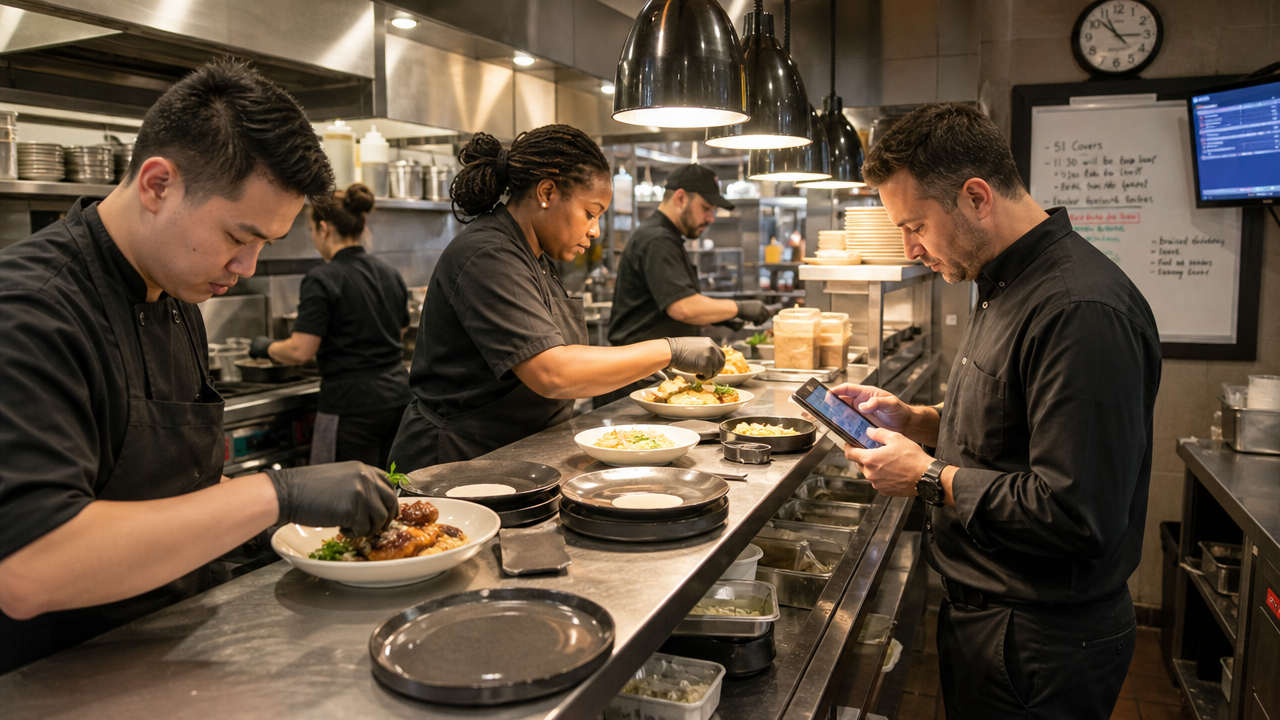
Restaurant kitchen team plating food during service while a manager reviews the shift plan on a tablet

In restaurants, the local cost of weak absence management shows up as double shifts, emergency overtime, and managers stuck on the line instead of running the floor.

The US Bureau of Labor Statistics tracks full-time wage and salary worker absences by industry and occupation, including illness-related time away from work. Foodservice managers who review those trends alongside their own timesheets get a clearer picture of how often the industry is short-handed before the dinner rush.

Fair, predictable processes for call-outs help you protect team morale. Chaotic coverage and silent frustration erode it fast.

By managing our labor costs and scheduling better, we've been able to retain more staff. Baristas are getting the schedules they needed and I'm able to provide the business what it needs as well.

Gonzalo Aurelios-Solis, Cafe Manager, Partners Coffee

Strong employee absence management for restaurants is not about punishing every sick day. It is about clear expectations, clean records, and a coverage system that works before the dinner rush hits.

1. Write and enforce a restaurant-ready no-show policy

First things first. You need a policy your crew can repeat back to you.

Use your restaurant employee handbook as the source of truth. Define what late means, what counts as a call-out, and what a no-call/no-show (NCNS) is in plain language. Outline how to request planned time off, how missed shifts are recorded, and which manager process applies after a missed shift. Keep the policy factual and point managers to approved HR processes for next steps.

Once you have the policy, apply it consistently while accounting for applicable leave requirements, workplace policies, and location-specific rules.

How to roll out your no-show policy to the whole crew

  • Share it in orientation. Walk new hires through the no-show rules face to face. Leave time for questions.

  • Remind the team often. Even when nothing has changed, send a short policy refresher in your workforce app and request a read confirmation when you can.

  • Write restaurant-specific examples. Cover opening shifts, closing shifts, split shifts, and who owns the first call when a lead calls out.

  • Record the facts clearly. Note notice quality, timing, and impact so managers can follow your approved HR process instead of improvising.

What your restaurant attendance policy should define

  • How many minutes late becomes a late clock-in

  • How much notice you expect for a call-out when the person is able to give it

  • Approved ways to report an absence (and which channels do not count)

  • How NCNS is recorded and reviewed

  • How planned PTO, sick time, and other leave types are requested

2. Build a clear call-out process your team will actually use

A policy without a simple call-out path still leaves you hunting through group chats at 6 a.m. Tell people exactly who to contact, how, and what details to share.

How to set a call-out path managers can trust

  1. Name the owner. Call-outs go to the manager on duty or a named backup, not a coworker who might forget to pass it on.

  2. Pick approved channels. Phone call, in-app message, or leave request in your system can work. Personal DMs and social apps usually create gaps.

  3. Ask for the basics. Shift date and time, role, and whether they expect to miss more than one shift.

  4. Log it the same day. Capture date, time, and method so your records stay usable later.

  5. Confirm next steps. Tell the employee you received the notice, then start coverage.

When your team can submit a leave request or message a manager in the same app they use for schedules, you cut the "I texted someone" gray area. One documented path is faster than improvising across texts and group chats.

3. Keep accurate absence and attendance records

Clean records support payroll workflows, help you spot patterns, and give you a factual base for coaching conversations. They also help you manage leave and attendance requirements as you operate across locations.
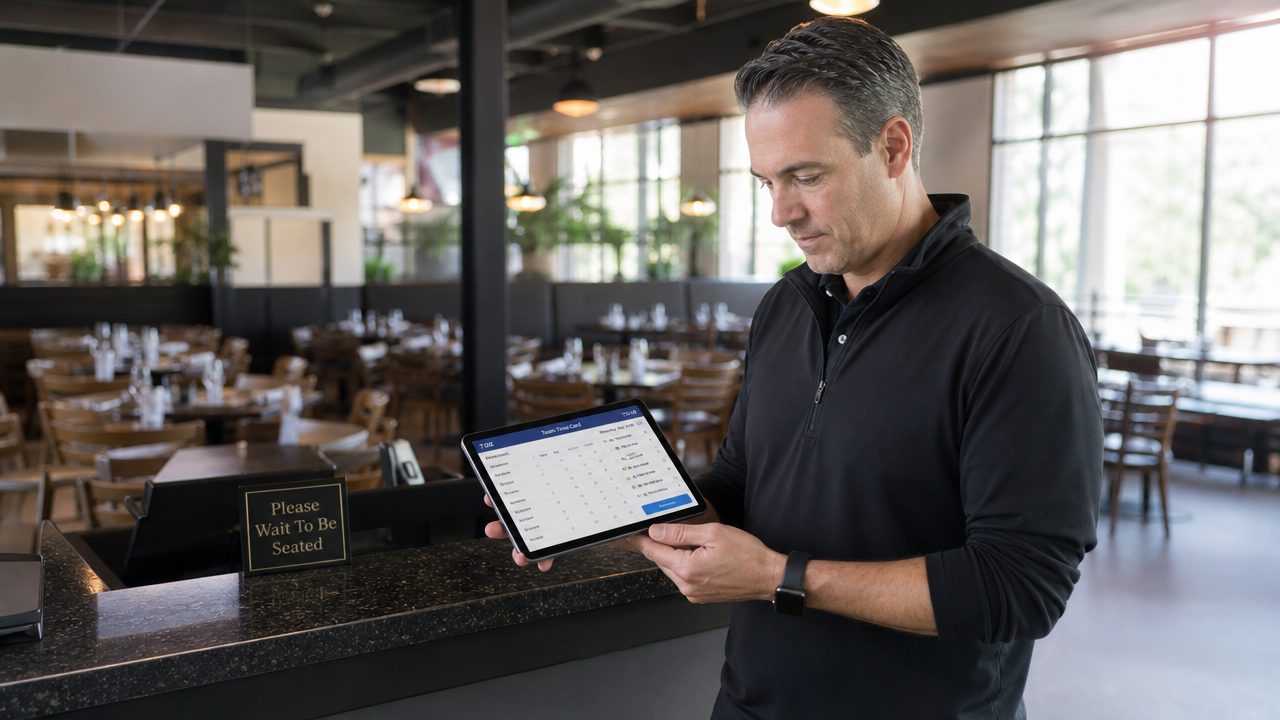
Restaurant manager checking attendance records on a tablet at the host stand before service

Leave and attendance rules can vary by state and locality. Review the requirements that apply to each of your sites and keep leave types clear in your system. Deputy's labor compliance resources and Compliance Hub can help you track how workforce rules connect to day-to-day operations. Deputy is designed to support compliance workflows but does not provide legal advice or guarantee compliance. Customers remain responsible for configuring the platform appropriately and complying with applicable laws and regulations.

How to keep absence records useful week after week

  • Ditch messy paper timesheets. Use workforce tools that create clear leave and attendance records and can note sick time and other leave types.

  • Review on a cadence. Put a weekly or biweekly absence review on your calendar and stick to it.

  • Train every manager. The people who approve timesheets and hear call-outs need the same definitions you wrote into the handbook.

  • Look for patterns, not vibes. Same day of week, same station partner, same shift type after closing, or a spike after schedule changes.

When records live in one place, you spend less time reconstructing the story and more time fixing the process. That matters even more if you run more than one site and need consistent time and attendance systems across locations. Real-time attendance visibility also helps you see late arrivals and missed shifts instead of finding out after the rush.

See how Deputy helps you cover restaurant call-outs without the morning scramble

4. Schedule around real availability and preferences

As a manager, you already juggle vacations, peak sales windows, and skill mix. A last-minute call-out can still wreck a tight plan. You reduce preventable absences when the schedule respects real life outside the restaurant.

Talk to your employees about preferences and hard restrictions. Maybe someone can only close, prefers mornings for school pickup, or holds a second job that blocks certain nights. You will not please everyone every week. When you know the non-negotiables, you avoid building a schedule that was doomed from publish.

Deputy's Big Shift Report 2026 finds Gen Z makes up 41% of US shift workers and 55% of poly-employed shift workers. Multi-job conflict is often structural. Your schedule should account for it.

Gallup reports that about one in four US employees (27%) face schedule unpredictability, which makes preference-aware planning and early publishing even more important when you are trying to cut preventable call-outs.

Nobody mentions the stress of scheduling. When I used to schedule without Deputy, it made me dread the task.

Hazel de los Reyes, Co-founder, Head Roaster, and Store Manager, Gumption Coffee

How to build schedules around real availability

  • Collect availability before you build the week

  • Flag school, caregiving, and second-job windows as hard constraints where you can

  • Cross-train so one call-out does not empty a whole station

  • Publish early enough that people can flag conflicts while you still have options

Strong restaurant employee scheduling habits make it easier to honor availability, publish early, and adjust when life happens without rebuilding the week from scratch.

5. Enable manager-approved shift swaps and open shifts

When texts roll in because someone is sick, their car died, or they overslept, you need a faster path than calling down the contact list one by one.

Let employees offer a shift swap or pick up an open shift when they cannot work. That can cut your scramble and give available teammates a clean way to earn extra hours.

How to approve shift swaps without creating new problems

  • Set it up in your workforce tools. Use built-in shift trading and open shift features so coverage requests are visible, not buried in texts.

  • Restate the rules. Your handbook should say how often people can swap, how much notice you want, and when a swap is not allowed.

  • Approve with eyes open. Check skills, certifications, station readiness, rest between shifts, and overtime risk before you say yes.

  • Offer open shifts fast. If no swap partner appears, broadcast the open shift to qualified staff instead of starting from zero.

In cities and states with predictive scheduling or Fair Workweek rules, last-minute changes to cover absences can also trigger notice or premium pay requirements. Track schedule changes carefully and use tools that support those workflows for manager review. See Deputy's Fair Workweek page for how change tracking can fit into daily operations. Your business still owns the final call on how local rules apply. Deputy is designed to support compliance workflows but does not provide legal advice or guarantee compliance.

6. Spot patterns early and follow your approved HR process

One sick day is part of running a restaurant. A pattern is a management moment.

Two restaurant coworkers talking near the POS about covering a shift after a call-out

If someone is calling in more than usual, missing the same shift type, or skipping the call-out process, meet face to face. Start with curiosity and stick to documented facts. A schedule change or other workplace adjustment may help. Follow your approved HR processes for any next steps.

How to run a fair attendance conversation

  • Bring the record, not a vague feeling

  • Ask what is getting in the way of reliable attendance

  • Agree on clear next steps and dates you both understand, following your handbook and HR process

  • Document the conversation the same day

  • Refer any further action to your approved HR process and handbook

Some absences may involve rights or obligations under federal, state, or local law. If you're unsure how those requirements apply, consult your HR or legal advisor. This article is general information only and is not legal advice.

Signals that deserve a same-week conversation

  • Repeated NCNS or late call-outs with weak notice

  • Absences clustered on high-demand days after the schedule publishes

  • A sudden change from a previously steady attendance record

  • Coworker reports that coverage is always falling on the same people

How Deputy helps you run absence management day to day

You still own the policy, the conversation, and the final coverage decision. Deputy gives you the operational pieces in one place so those decisions are faster and better informed.

What you can run in one workforce workflow

  • Build and update schedules when call-outs hit

  • Give staff a clear path for leave requests and manager messages

  • Capture time and attendance in accurate timesheets with leave visibility

  • Run manager-approved shift swaps and open shifts

  • Review who worked, who was out, and where overtime risk is building

Try Deputy for free and see how a tighter absence loop feels on a real Friday night.

Important notice: The information in this article is general in nature and you should consider whether it is appropriate to your needs. Legal and other matters discussed here are general only and should not be relied on in place of professional advice. Deputy is designed to support compliance workflows but does not provide legal advice or guarantee compliance. Customers remain responsible for configuring the platform appropriately and complying with applicable laws and regulations.

FAQs

Frequently asked questions

How can Deputy help with employee absence management for restaurants?

Deputy helps restaurant managers keep schedules, leave requests, timesheets, messaging, and shift coverage in one workflow. You can see who is off, fill gaps with swaps or open shifts, and review attendance records when patterns appear. You still set the policy and make the employment decisions.

What should a restaurant no-show policy include?

Define late arrivals, call-outs, NCNS, notice expectations, and approved contact methods. Share the policy in orientation, keep it in the handbook, and apply it consistently while accounting for applicable leave requirements, workplace policies, and location-specific rules.

How do shift swaps in Deputy help when someone calls out sick?

Employees can offer a swap or pick up an open shift while managers approve based on skills, availability, and overtime risk. That shortens the time between the call-out and a covered station without relying on scattered texts.

How should managers track call-outs without paper chaos?

Log every call-out the same day with date, time, and channel, then keep sick time and other leave on clean timesheets. Review the log on a weekly or biweekly cadence so trends show up before they become culture problems.

Can Deputy help with Fair Workweek or predictive scheduling rules when covering absences?

Deputy includes tools that help you track schedule changes and support Fair Workweek-related workflows for manager review. Local ordinances differ, and your business remains responsible for how those rules apply when you edit shifts to cover call-outs. Deputy is designed to support compliance workflows but does not provide legal advice or guarantee compliance.

What is the difference between a one-off sick day and a pattern that needs a conversation?

A one-off sick day is occasional, usually well noticed, and easy to cover. A pattern shows up in frequency, weak notice, repeated NCNS, or uneven impact on the same teammates. Talk early, document facts, and follow your approved HR process for next steps.