Running an hourly team can feel like non-stop firefighting. You patch a gap in the rota, chase a missing timesheet, cover a last-minute sick day, then start over the next morning. The strategic human resource management process gives you a way out of that loop. It links every people decision, from hiring to rotas to retention, to where your business is heading. This guide walks you through strategic HR for hourly teams in seven practical steps, built for growing UK retail and hospitality businesses.
Key takeaways
Strategic HR management ties every people decision, including hiring, rotas, and retention, to your business goals, so your team drives growth instead of just keeping the lights on
The process runs in seven repeatable steps, from understanding your objectives to reviewing and correcting course
It matters especially now for UK hourly teams, as retention becomes increasingly important in a low fire, low hire market and worker sentiment has declined, falling from 72.21% to 67.05% positive in Deputy's 2026 UK Shift Pulse Report
The right tools can reduce admin, helping a lean team put the process into practice
Strategic human resource management is the link between your people and your business goals, objectives, and strategy. It's easy to mix up with everyday HR, but they do different jobs.
Strategic HR vs everyday HR: what's the difference?
Everyday HR keeps the basics ticking over: contracts, rotas, holiday requests, and pay queries. Strategic HR asks a bigger question. How do your people help you grow, and what do they need from you to do it well?
The aim of strategic HR management is to:
support flexibility, fresh thinking, and a real competitive advantage
build a workplace culture that fits how your team actually works
improve business performance through your people
For this to work, HR needs a seat at the table when you set company plans, whether that's a dedicated person or you wearing the HR hat yourself. You'll see strategic HR show up across everyday activities like hiring, onboarding, and rewarding your team. The difference is that each decision points back to a clear goal, rather than reacting to whatever lands in your inbox.
Why strategic HR management matters right now for UK retail and hospitality
Businesses tend to do better when everyone pulls in the same direction, and right now that alignment matters more than usual for UK hourly teams. The data shows why.
The UK labour market has moved into a low fire, low hire phase. Deputy's UK Big Shift Report describes employers slowing recruitment while focusing on keeping the people they already have. The official data echoes this: in February to April 2026, UK job vacancies fell to 705,000, their lowest level since 2021, with hospitality and retail among the hardest hit. In practice, that can make retaining experienced employees an important part of a growth strategy, alongside hiring.

At the same time, how workers feel is cooling. Deputy's 2026 UK Shift Pulse Report found that 67.05% of UK shift workers felt positive at the end of their shifts in 2026, down from 72.21% a year earlier. A growing middle group is coping rather than thriving, which may be relevant to how employers think about retention and the employee experience.
Costs are climbing too. According to gov.uk, from 1 April 2026 the National Living Wage is £12.71 an hour for workers aged 21 and over. The Employment Rights Act 2025 introduces new rights relating to guaranteed hours and reasonable notice of shifts for certain workers, with detailed requirements subject to commencement and regulations. That adds weight to how you plan and staff your rotas.
Deputy is designed to support compliance workflows but does not provide legal advice or guarantee compliance. Customers remain responsible for configuring the platform appropriately and complying with applicable laws and regulations.
Pulling that into a plan is what strategic HR is for. A strategic HR approach can support:
higher job satisfaction
a better work culture
happier, better-served customers
more efficient use of your resources
a proactive approach to managing your team
productivity improvements
The 7-step strategic human resource management process
Strategic HR management is central to keeping and developing good people. Focusing on retention and engagement can help support a positive employee experience. Before you roll anything out, you'll need a simple planning process, set out in the seven steps below.
Step 1: Get clear on your company's objectives
The success of strategic HR depends on how well it links to your goals, so start there. Get a firm handle on your aims, objectives, and mission, and be ready to explain your short-term and long-term plans for growth. When you offer clear communication of where the business is going, whoever owns HR can build a people plan that supports it.
Step 2: Evaluate your current HR capability and skills
Next, look at the team you already have and how they contribute to your goals. Run a skills inventory for every employee, so you can see who your experts are and where the gaps sit. It also shows you who wants training in a particular area, which helps you plan development. A performance review can be a good moment to assess skills, though rigid annual reviews are giving way to lighter, more regular check-ins.
Step 3: Analyse your HR capacity against your goals
Now weigh your current capacity against what your goals demand. This helps you spot barriers, act on opportunities, and deal with risks before they grow. Look at how many people you have, the skills they bring, and where senior leaders can better equip the team to serve the business.

Step 4: Forecast your future HR needs (supply and demand)
Once you've reviewed your people and their skills against your objectives, forecast what you'll need next. Frame the forecast around two sides:
Demand: how many people, and which skills, your future plans will call for
Supply: the people and skills you already have available to hit those goals
Your forecast should also help you work out:
the new jobs and roles you'll need to secure the future of the business
the skills current employees need to take on those roles
whether your team's expertise is being used well
whether your current HR practices can support your growth
For hourly teams, generational change should shape this forecast. Deputy's UK Big Shift Report puts Gen Z at 44% of UK shift workers, rising to 63% in hospitality. These workforce trends can inform how you plan for onboarding at scale, clear progression, and flexible rotas.
Step 5: Put the right tools in place for your team
Talk to the right people about how your team's tools affect their ability to do the job. A quick audit of your hardware and software, run with whoever handles IT, will surface the gaps that slow your team down.
Where you employ hourly staff, it helps to use workforce management software. A single platform can handle rostering, holiday and annual leave, time and attendance, and sick leave management in one place, rather than scattering them across spreadsheets. Deputy also offers AI-assisted demand forecasting that generates draft rotas for manager review, so you keep the final say while spending less time building each week from scratch.
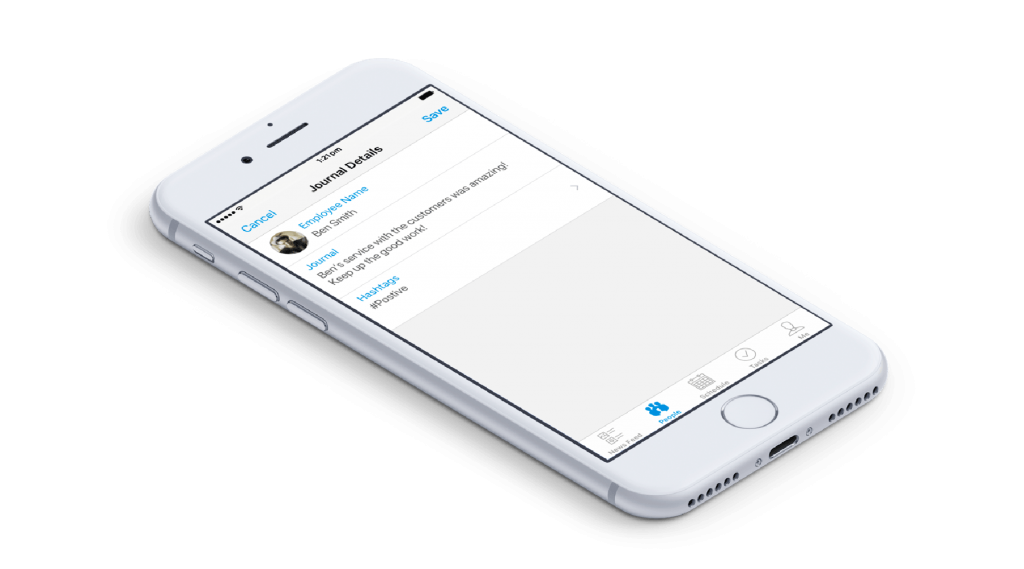
Good tools also give you visibility over working time, breaks, and leave, which supports your compliance workflows and surfaces potential issues for manager review. Wasib Awan, Box Office Manager at Winter Wonderland Hyde Park, saw the difference after moving off a manual process:
On Deputy you can cap people's work to 40 hours a week and make sure everybody gets at least some sort of a break during the week. But with the previous process it was all manual and time consuming.
Deputy is designed to support compliance workflows but does not provide legal advice or guarantee compliance. Customers remain responsible for configuring the platform appropriately and complying with applicable laws and regulations.
Step 6: Implement your HR strategy: hire, onboard, and engage
With your analysis and forecast done, it's time to grow your workforce and develop the people you already have. You can put your strategy into action like this:
Recruit: start searching for candidates who have the skills you identified during planning
Select: run interviews, relevant tasks, and questions such as what are your salary requirements? to check that someone fits the role
Hire: make an offer once your usual checks are complete
Onboard and train: build a proper employee onboarding and training package, since a strong start can support engagement and retention
Hiring well is only half the job, though. Keeping people engaged can support retention, and it's closely tied to culture. Deputy's 2023 State of Shift Work research, which is older data, found that 89% of UK shift workers wanted development opportunities from their employer, and that flexible working ranked as their number one priority. Building growth paths and flexible rotas into your plan can help you hold on to good people in a tight market.
Step 7: Review, measure, and course-correct
Finally, set a timeline to review your strategic HR management. A regular review tracks your progress and shows where to improve, measured against whether your changes are moving the business towards its goals. Adjust whatever isn't working. Strategic HR is a loop, not a one-off project, so this step feeds straight back into Step 1.